
Indus valley civilization is one of the oldest and the greatest civilization in the history of mankind. Till now more than 1400 sites have been discovered. It is an urban settlement because of its population density , habitation structure and the nature of economic activity. It was a river valley civilization , like most early because of the availability of water and fertile soil.
SCRIPTS
The use of script has been observed here but this script is pictographic in nature and has not been deciphered as of today. The CM of Tamil Nadu , MK Stalin announced the award prize as well, recently in 2025 for the person/organization who can successfully decipher the scripts of IVC.
TOWN PLANNING
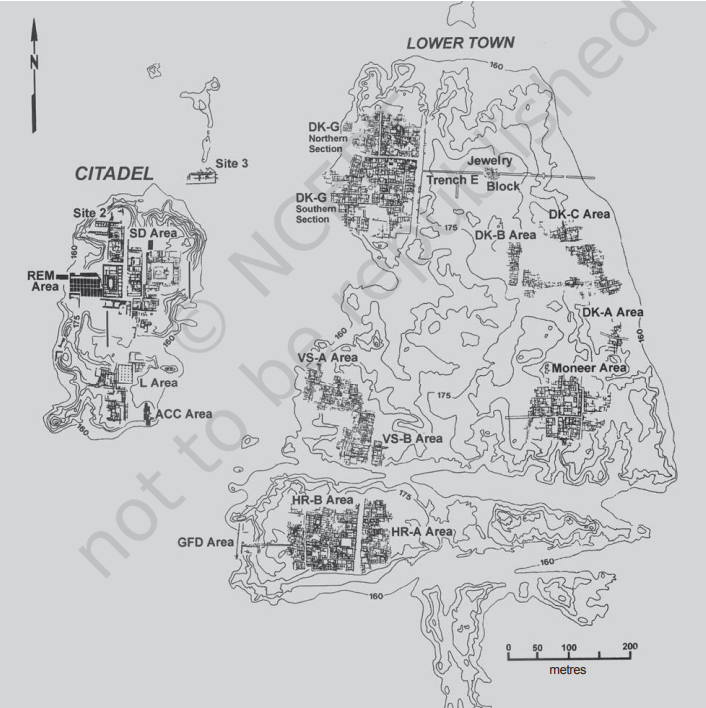
The town was divided as Upper town i.e. Citadel and lower town. Town was built using the burnt bricks and grid system was used where roads cut each other at 90 degree.There was well developed drainage system and structures of granaries were also found at various sites. The structure of great bath and largest granary was present at Mohen-jo-daro.
AGRICULTURE
The crops such as wheat, barley, pulses, cotton, peas, rice, sesame, and mustard were grown.The animals like cattle ,goat, sheep and buffalo were reared.
TRADE
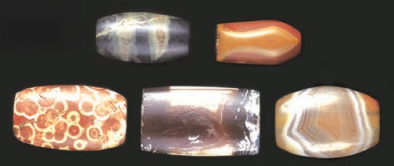
Trade was the main basis of the economy. Local, regional as well as external trade was practiced. The major trading partner were contemporary civilizations in Mesopotamia, Iran, Afghanistan, Oman. The traded goods include terracotta pots, beads, gold, silver, coloured gems like Turquoise and Lapis Lazuli, seashells and pearls. Trade was practiced using barter system.
SEALS
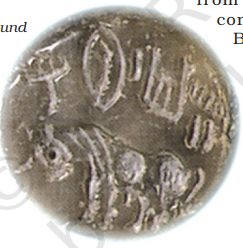
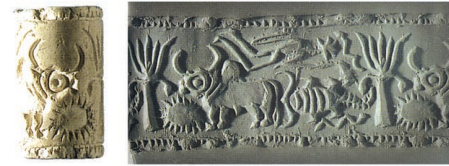
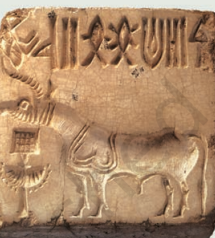
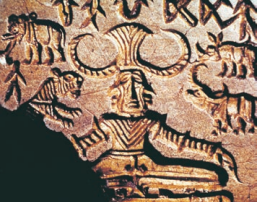
Seals were used for stamping the trade consignments . These seals were found at many locations in the world such as Pashupati seal at Mohen-jo-daro. Terracotta, Steatite, metal and shell were used for making seals in geometrical shapes. The seals depicted the nature in miniature art form on seals, animals like unicorn , fish, bull etc. and birds.
RELIGION
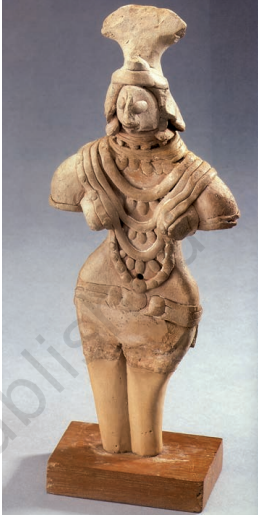
At various sites female figures of chief Deity have been found which symbolises fertility. The male God in the form of Proto-Shiva has been depicted on the Pashupati seal, found in Mohen-jo-daro. Nature worship was also practiced as Peepal tree was depicted on seals. Moreover, the great bathing ritual, Fire altars at Kalibangan, Lothal and Banawali , all point towards the presence of religion that time.
Still the administration of IVC considered to largelly secular.
SITES OF IVC
Harappa: This site was discovered as the first site of IVC by Dayaram Sahni in 1921.Harappa is known for textiles, cotton , wool. Also spindles were found here.
Mohen-jo-daro: The site was excavated by RD Banerjee in 1922. The great bath, largest granary was observed at Mohen-jo-daro.
Chanhu-daro: There is absence of citadel and Lipstick, beads, toy making has been observed here.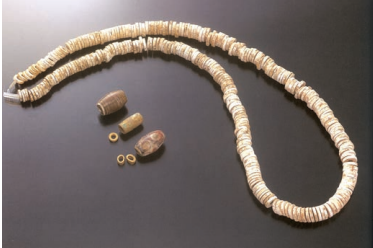
Sotkakoh and Surkatoda: It is a coastal site, known for pottery making.
Dholavira: This site has elaborated Water management and harvesting system. There are 3 layers of the city. This site has been included in the list of World Heritage Sites.
Rakhigarhi: It is the largest site and also this is the site of genetic testing.
Kalibangan: This site is known for bangle making.
Lothal: This location was a dockyard indicates the knowledge of shiping of people of IVC.
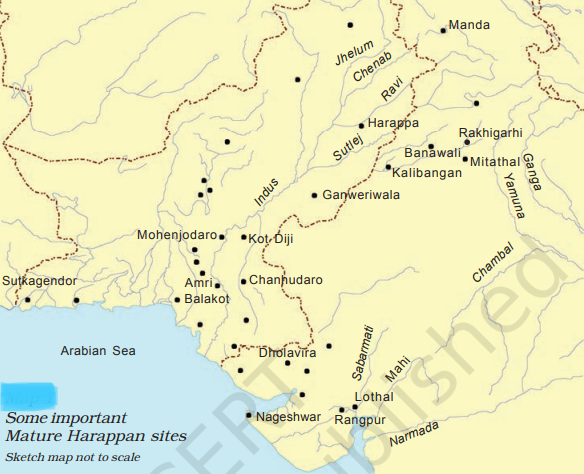
There are more sites such as Sukkur, Banawali, Kot diji, Rangpur, Alamgirpur etc. The uniformity of script, town planning, and a system of weights and measures indicates the presence of centralised authority as well. However, not much is known about it, it is believed that Merchants ruled the civilization. At last, there is no concrete evidence about its decline or any valid reason for the lost of such developed civilization.